
The government has approved Plymouth City Council’s expansion into 13 parishes of the South Hams under the local government shake-up.
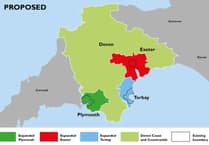
In the biggest reorganisation of the local political structure in 50 years, the city council’s population area will rise to 300,000, taking in Bickleigh, Shaugh Prior, Cornwood, Sparkwell, Harford, Ugborough, Ivybridge, Ermington, Brixton, Yealmpton, Wembury, Newton, Noss and Holberton.
The proposed name for the council going forward is “Greater Plymouth”, and it will be responsible for everything from bin collections to social care and highways in these new parishes, as well as continuing to provide all local services to the city’s residents.
Devon will be made up of four unitary councils, with an expanded Exeter and Torbay and a coast and countryside authority covering the rest of the towns and parishes.
All Devon’s district councils, along with Devon County Council, will be abolished, and the new structure will begin in April 2028.
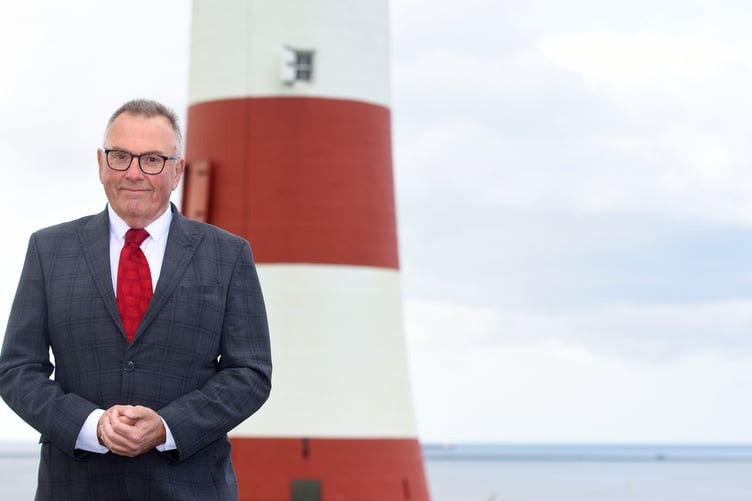
Leader of Plymouth City Council, Tudor Evans, called it “a positive decision for all of us in Devon”, whilst Conservative MP for South West Devon, Rebecca Smith, called it “an urban stitch up”
The chosen model for Devon was the one favoured by Plymouth and Exeter Labour-run councils and was announced this morning in the House of Commons by Steve Reed MP, secretary of state for housing, communities and local government, who said decisions “reflected local identities”.
The 13 parishes which will become part of the Plymouth council area are currently part of the South Hams District Council area and have some services, such as roads and education, run by Devon County Council.
Leader of Plymouth City Council, Tudor Evans, said: “We are pleased the government has recognised the strength of our proposal developed with Exeter City Council and supported by two of our local MPs.
“Creating four unitaries will end 25 years of confusion for most council tax payers in Devon about who provides the services they receive. It will bring clearer democratic accountability, with decisions made closer to the communities they affect and services shaped around the distinctive needs and opportunities of each area.

.jpeg?width=209&height=140&crop=209:145,smart&quality=75)
“We look forward to working closely with the 13 parishes to ensure their voices, priorities and local identities are fully reflected in the future arrangements.
“Our joint proposal put forward a modern, coherent model that is large enough to operate efficiently but local enough to remain responsive to the people we serve.”
Rebecca Smith MP, whose constituency takes in part of Plymouth, the South Hams and West Devon said the majority of her constituency and those living in rural Devon would “highly disagree” that the decision reflected local identities.
“It’s an urban stitch up that ignores the plethora of rural voices who opposed Plymouth and Exeter’s land grab plans,” she said.
She added that residents in the South Hams parishes being taken over by Plymouth would likely be paying higher council tax than city dwellers, as they would still have to pay the parish council precept.
Leader of Plymouth Reform UK in Plymouth, Steve Ricketts, said he was against local government reorganisation as it was “a waste of time and money” but said: “It’s happening now, so we have to make the best of it and do the best we can for the residents of the new areas that are coming in.”
Comments
We've recently changed our login process. If you have an account for commenting, you will need to re-register on the login window.
This article has no comments yet. Be the first to leave a comment.