
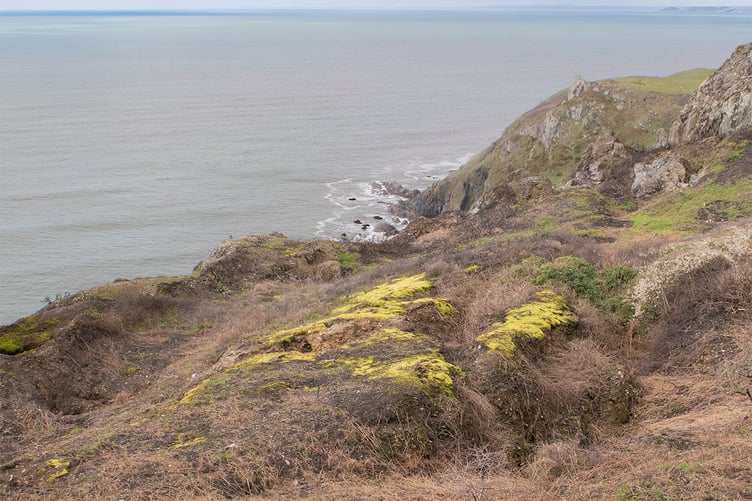
Most of the South Hams area is included in what is termed an AONB (Area of Outstanding Natural Beauty). It is an area where there is so much nature and scenery ready to be viewed. But, while recording local wildlife, I see so many people rushing past without noticing all this beauty. Groups talk enthusiastically about many subjects, such as the restaurant which they visited last night, but never mentioning the glorious scenery.
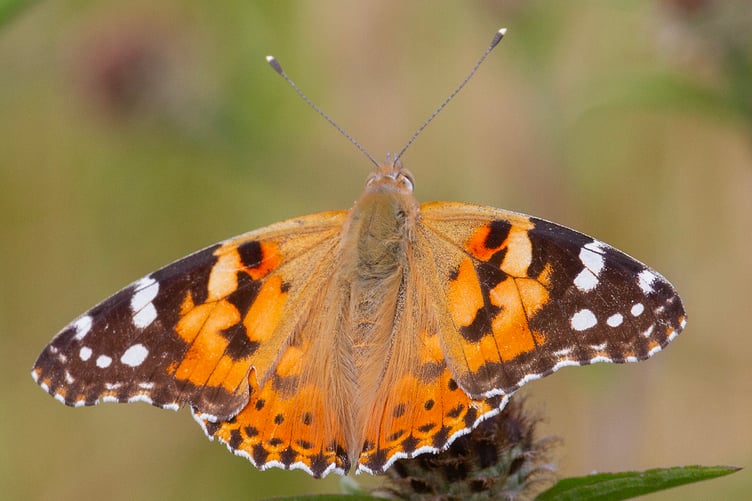
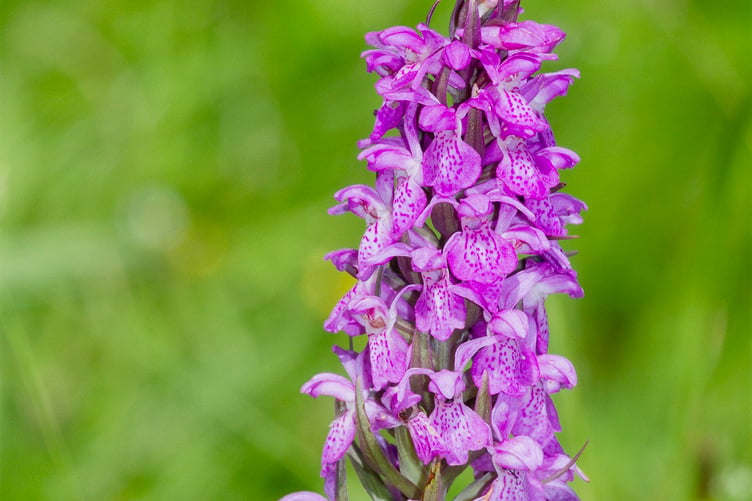
On one occasion during the spring, I was photographing some uncommon insects while surrounded by Southern Marsh Orchids and Yellow Rattle flowers when two groups of people, wearing their new walking clothes, went past without noticing all that natural splendour. The Coast Path, or one of many free inland nature reserves, will have walks where you can find attractive Butterflies, Dragonflies, Hoverflies and so much other wildlife including a wide range of bird and wildflower species. Just look and you will find so much.
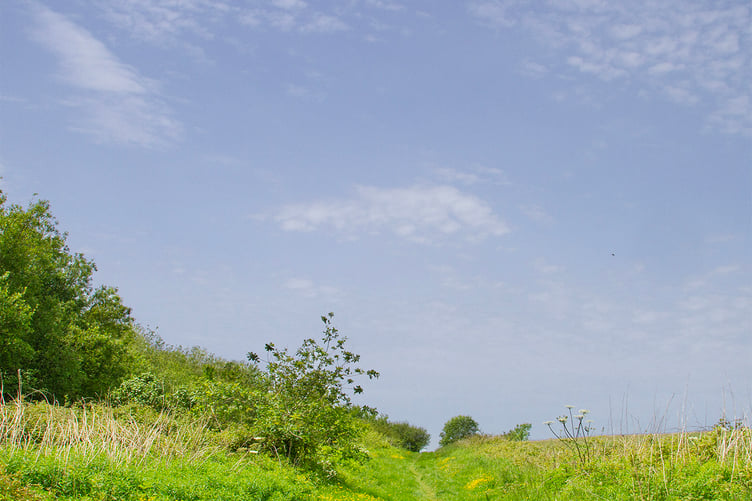
I recommend trying the practice of Slow Walking. Don’t worry, you don’t require any special training or equipment, except for comfortable clothing. The basic method simply involves a casual stroll along one of our many public footpaths, ideally avoiding any overly strenuous terrain. The vital bit is to stop every 10 or 15 minutes and look around you. How many nearby plants or animals can you name? Take a close look at all the views. What crops are growing in the adjacent fields? Surprisingly, many people can’t tell the difference between barley and wheat.
Ponder over the landscape. It has taken someone a lot of effort to create those hedges, or walls, so why were they built in those particular positions? For people who like a bit of technology, you can look up the old Tithe Maps for the mid 19th century from Devon Records. Then compare the differences between ancient and current crops and field layouts. These records can also give you the names of owners for those old properties, so it may be just as interesting for urban locations.
If you are looking at a seascape, were there any old shipwrecks in the area? If the answer is yes, what was the cause and how could the Coastguards have attempted a rescue. It was traditionally thought that iron ore in the south coast cliffs could make a ship’s compass unreliable. There were several iron ore mines at cliff top locations. One was revealed by a gorse fire at Bolberry Down in 2023.
Several years ago, when I was a Salcombe fisherman, I found my autopilot changed the boat’s course at exactly the same place everyday.


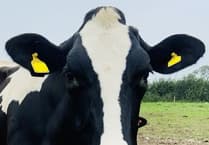
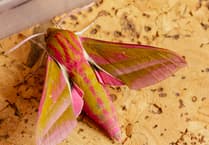
Slow walking should be a fun activity so beware of field guide overload and having a backpack stuffed with potentially useful heavy books. In most cases there will be some internet based alternatives providing a lightweight option, if you can understand the technology, which is where I often fail. Or, try the traditional method of pen and notebook to record information which can be checked when you return home.
Comments
We've recently changed our login process. If you have an account for commenting, you will need to re-register on the login window.
This article has no comments yet. Be the first to leave a comment.