

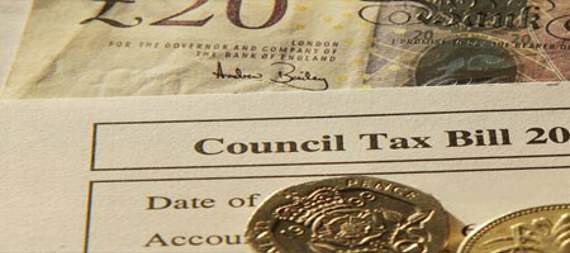
AVERAGE council tax bills for Dartmouth householders are set to rise by about £60 per year – to almost £1,700 for a band D property.
And South Hams councillors have awarded themselves a bumper 12 per cent increase in allowances.
The district council has almost doubled the size of its planned council tax hike – because it can.
However, £5 increase still only works out at less than 10p a week extra for average band D property.


But the South Hams Council bill is only a small part of the total council tax bills householders will face.
Devon County Council’s share will have to be added along with the fire service, the police and local town and parish councils.
Dartmouth Town Council has agreed a four per cent rise for its part of the council tax, which will cost a band D property owner about £2.70 per year. This is to meet an increase in town council spending from £180,680 to £188.094.
Devon County Council was yesterday expected to agree an increase of 3.99 per cent – equating to an extra £46.33 a year for a band D property – and the fire service was meeting today to discuss a proposed budget increase of 1.99 per cent, which would mean a £79.98 bill for a band D property.
The Police and Crime Panel has also confirmed householders will have to pay an extra 6.5p a week to ensure that policing resources can be maintained in the region.
This an increase of £3.37 a year for a band D property to provide around £1.8m annually, an increase of 1.99 per cent for 2016-17.
Devon and Somerset Fire Authority is meeting today and is also expected to agree at 1.99 per cent increase, an additional £1.56 per year on bills.
The total for a band D property in Dartmouth is expected to rise from £1,621.45 for the year 2015-16, to £1,680.41 for the year 2016-17.
South Hams district councillors had planned to put bills up by 1.99 per cent, which worked out at £2.89 per average household because that was the maximum the Government would allow before imposing a referendum.
But with just days to go before the tax hike was finalised, the Government suddenly changed the rules and declared that bills could go up by no more than 1.99 per cent or £5 – whichever was greater.
So South Hams Council made a last-minute change to the bills and slapped on the fiver – which works out at a 3.44 per cent increase, bringing its average share of tax bills to £150.42 a year.
The decision to shove up the tax bill came even though the council discovered it had made a surplus over the last year and can stick a huge £767,000 in the bank.
But councillors are adamant that the maximum tax hike possible and the savings are vital in the battles it is facing to make the books balance over the next four years.
Even though the Government relented at the very last minute and added another £304,000 on to the council’s rural service delivery grant, it is still faced with continuing reductions and a complete withdrawal of grants by the year 2020.
It is already predicting it will face a budget black hole of £155,000 for the year 2016/17, rising to £541,000 the financial year after that.
If the council had stuck to the 1.99 per cent increase that would have been £310,000 in 2016/17, rising £618,000 the year after, a report to district councillors explained.
The surplus the council made this year is all down to the T18 shake-up which has seen the council shed scores of staff members over the last two years in a bid to streamline the way it its run.
The councillors agreed to put the £767,000 budget surplus into a ‘contingency earmarked reserve’ – although the council has not yet made up its mind just what it is going to spend it on.
South Hams Council Conservative leader John Tucker told councillors: ‘Because of T18 and skilful management we do have a surplus and now we have an even larger surplus [because of the Government’s rural service delivery grant settlement].
‘We are putting this surplus into a fund that can cover all sorts of issues – housing and other issues – but that is for another day.’
He said the council was able to protect its front-line services from any cuts but added that it would have to continue to look at savings as well as ways of increasing its ‘income streams’ to 2020 and beyond.
Liberal Democrat councillor Julian Brazil said: ‘I think we have no choice but to increase council tax by £5. If you look at the deficits in the coming years, we have to do it to maintain the services that we deliver.’
After the meeting, Cllr Tucker added: ‘The recent programme of changes that the council has put in place to change how we work, has enabled us to reduce costs and by March we will have made £3m of savings from our transformation programme.
‘A radical programme to change how we work, be more efficient and keep front-line services. If we had not embarked on this transformation, we would not be able to deliver the front-line services that our customers need.
‘The future for Government funding is clear. By 2018 the grant that we used to receive from central Government will stop and we will once again be facing a funding gap.’
Cllr Tucker added: ‘Right now we are in a pretty decent position compared with some other councils in the country who have debts and have not changed how they work to address the funding shortfall, but long-term we will have to focus much more on how we can generate income.’
Comments
This article has no comments yet. Be the first to leave a comment.