
.jpeg?trim=0,375,0,375&width=752&height=501&crop=752:501)
The Liberal Democrats have proposed introducing a “film-style” age rating system for social media platforms, as part of amendments to the Children Wellbeing and School’s Bill currently being debated in the House of Lords.
Under the proposals, access to social media would be restricted according to the level of risk a platform poses to young people. Platforms that use addictive algorithmic feeds or host inappropriate content would be legally limited to users aged 16 and over.
Services that carry more extreme material — such as graphic violence or pornography — could be rated 18+, in line with existing film and video game classifications.
South Devon MP Caroline Voaden said the measures were designed to address long-standing concerns about online harms to children.


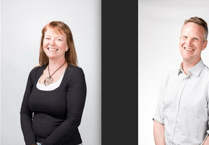
“For too long successive governments have turned a blind eye as addictive-by-design platforms mine our children’s data while exposing them to harmful content,” she said. “It is clear something must be done.”
The party argues that the approach offers a more targeted alternative to a blanket ban on social media for under-16s, which could have unintended consequences, potentially restricting access to educational resources such as Wikipedia or preventing children from taking part in family WhatsApp groups.
“This is not about banning or demonising technology,” Voaden added. “It is about taking a nuanced, harms-based approach which allows children to experience the best bits of the online world, while protecting their physical and mental health.”
The proposed age-rating model would echo the film and video classification system established in the 1980s, adapting a familiar framework for the digital age.
The ratings would be delivered and enforced by the media regulator Ofcom, which would be granted additional powers to fast-track fines and issue business disruption orders against social media platforms that fail to comply.
The proposals contrast with the Conservative Party’s position. Conservative leader Kemi Badenoch has said she supports a “blanket ban” on social media for under-16s, similar to measures recently introduced in Australia.
The Labour government has taken a more cautious stance, with Prime Minister Keir Starmer saying Labour is opposed to a total ban on social media for under-16s, but that the government is “closely monitoring” the impact of the Australian approach.
Labour has emphasised a commitment to evidence-based policymaking, raising concerns that a blanket ban could disrupt access to vital educational resources. The party has said it instead supports stronger enforcement of the Online Safety Act, tougher regulation of algorithms and improved digital literacy.
The Children’s Wellbeing and Schools Bill is intended to strengthen protections for children’s physical, mental and emotional health, bringing together reforms across education, healthcare and safeguarding.
House of Lords peers are considering amendments aimed at closing gaps in child safeguarding, particularly where technology, mental health and online harms intersect.
Proposals include strengthening regulatory powers, clarifying the responsibilities of public bodies and ensuring that child wellbeing is considered consistently across digital, educational and healthcare settings.
During the first report stage debate on 14 January, Education Minister Baroness Smith of Malven said that information sharing was “necessary but not a sufficient determinant” for effective practice in protecting children online, adding that such information must form the “basis for action”.
The Liberal Democrats’ social media amendment has been tabled as part of a wider cross-party effort to amend the bill before it returns to the House of Commons.
Comments
We've recently changed our login process. If you have an account for commenting, you will need to re-register on the login window.
This article has no comments yet. Be the first to leave a comment.