
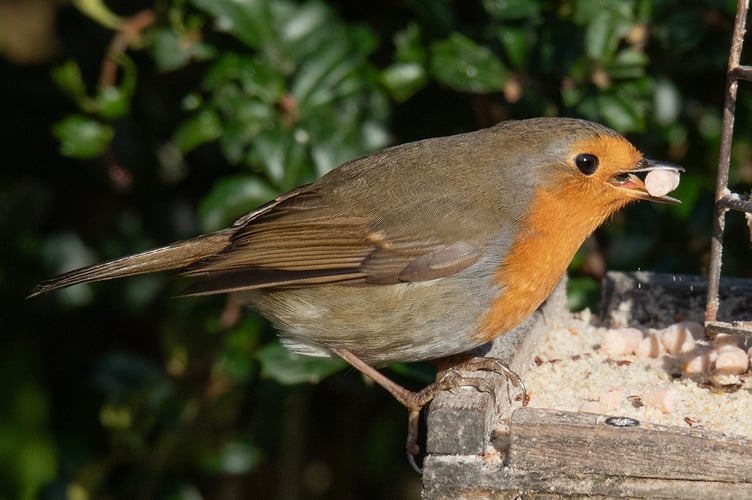
There has recently been a considerable number of discussions concerning the feeding of garden birds. Some wildlife organisations have recommended totally stopping supplementary feeding. Most bird food suppliers, understandably, suggest that garden bird feeding is beneficial throughout the year.
Actual figures are hard to interpret, with some studies showing an increased survival of over 50% among juvenile birds where feeding occurs, with numbers of adult Goldfinches and Great Spotted Woodpeckers showing a substantial increase.
We are experiencing a considerable decrease in natural bird foods such as insects, particularly caterpillars, with many of them tending to appear earlier, so bird breeding times are no longer synchronised with peak food output. Loss of habitat due to the paving over of gardens is also a potential problem. Therefore, it is argued, feeding with suitable bird food throughout the year has become more important.
Some organisations suggest that feeding attracts unnatural numbers of birds to an area. However, having a variety of watchable birds in your garden is a particularly English activity which is claimed to be good for personal wellbeing.



Avian flu has received a lot of publicity, but it mostly affects poultry and seabirds, including waterfowl, so it is unlikely to be a problem with garden birds.
A single-cell parasite named Trichomonosis can be deadly, particularly with Greenfinches, where it causes them to become lethargic and not fly away even when you closely approach them. However, it has also been found at locations where no feeding occurs and Greenfinch numbers are increasing.
Salmonella and E coli often affect Sparrows, where there is poor hygiene with uneaten mouldy food, and it can be spread by other animals.
Recommendations from the bird food suppliers are to continue with bird feeding, but regularly clean and disinfect feeders, particularly the flat top types. Use a wildlife-safe disinfectant and follow the instructions.
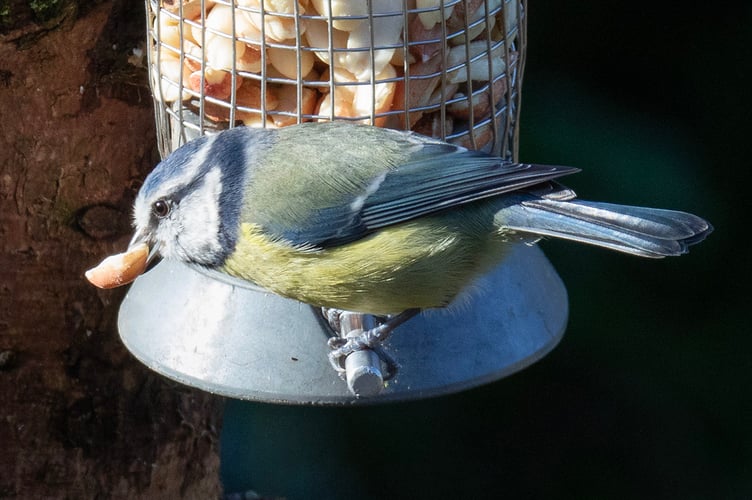
Bread, which has been processed for human consumption, is not a natural bird food and can quickly become mouldy, although gulls seem to thrive on it. Sunflower hearts, which leave little mess behind and are enjoyed by most birds, can be a better alternative. I have tried other seeds such as Nyger Seed, but my birds would not take them.
Do not top up feeders by placing fresh food on top of stale and possibly contaminated old food, or put out more food than can be eaten in a day. Most of my bird food gets eaten within one hour.
Hanging feeders are good options, but the ground below them can become contaminated, particularly if using fat balls or suet pellets. A catching tray may prevent waste on the ground, but it should be treated like a flat top feeder, and moving them around can help reduce contamination.
Some feeders can be moved around to reduce ground contamination, but all feeders should be placed close to large shrubs, small trees or other areas where birds can sit, safe from Sparrowhawks or cats, before making a quick dash to the feeder. However, feeders should not be placed directly below trees where resting birds could cause contamination.
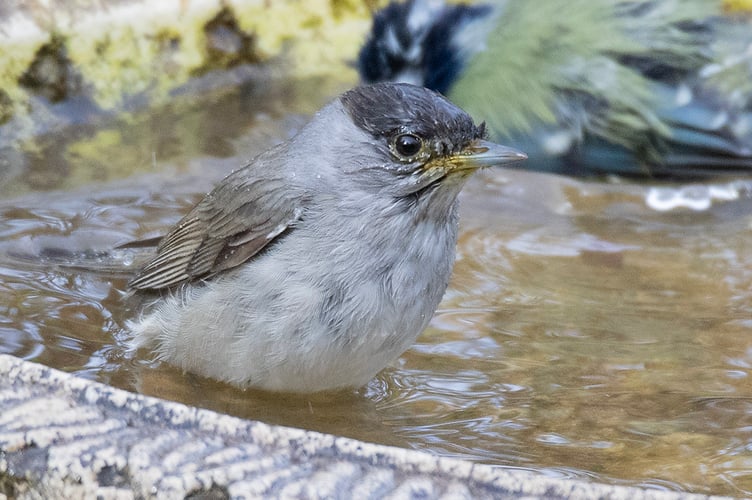
Bird baths are a substantial risk, so they require regular cleaning with the water frequently being changed, ideally every day, using fresh tap water, not rainwater from a water butt.
There are suggestions that the ground feeding of game birds, for shooting, may be spreading bird disease in country areas.
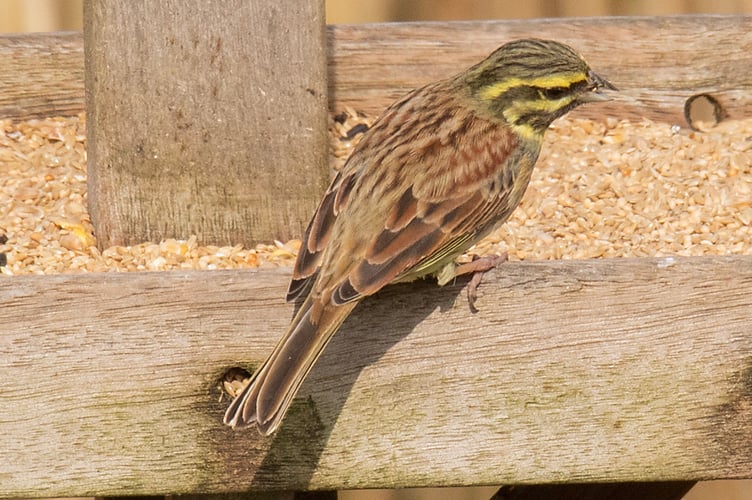
Kingsbridge Natural History Society placed bird feeders at West Charleton Marsh several years ago, and they are regularly cleaned. They are used by a wide range of birds, including the uncommon Cirl Buntings, which appear to be increasing around that area.
Comments
We've recently changed our login process. If you have an account for commenting, you will need to re-register on the login window.
This article has no comments yet. Be the first to leave a comment.