

Five years of reducing footfall, a proposed new housing development at the top of town bringing hundreds of new residents were important factors in deciding that an investment was needed and that only local businesses would be able to make the kind of investment required.
After seeking funds from the Portas scheme and the Coastal Communities Fund the final option was the business improvement scheme, which was growing successfully all over the UK with 160 BID towns and numerous success stories.
We were fortunate in being able to appoint the Mosaic Partnership to help us – the most successful BID consultants in the UK, with their 77th successful BID campaign just completed last week in Strabane.


Through an extensive 12-month consultation we prepared a five-year business plan to put Dartmouth back where it deserves to be as the top resort in the Westcountry. All that was needed was the successful delivery of that plan.
The key projects we adopted then, have not changed today, because we face exactly the same problems.
Stronger national destination marketing campaign, meaningful signage to every business location in town and parking solutions to help reduce the impact of our parking problems.
We also wanted to reduce the town’s dependence on tourism by attracting non-tourist businesses to locate in the town.
In addition, we were looking for business costs savings both through combined purchasing agreements and strong lobbying for change in the business rating scheme which is killing high streets around the country.
When discussing the BID, it is important to remember that there is the BID, which is our legally structured plan and there is the BID company which is elected by members to deliver the BID plan. They are two separate entities and should not be confused.
I am sure any business owner reading our business plan will agree that it is the best plan we could develop for the town with the budget available. However, the difficulties experienced by the BID company have conspired to make the task more difficult than it should be, with high levels of protest, levy collection problems and inadequate management board resources.
For these and other reasons I won’t explore here, the BID company has failed to deliver many of the commitments made in the plan.
However, when a company fails through these sorts of problems then, in my opinion, you don’t close the company, you confront the problems and solve them. If a plan is worth achieving, you don’t give up, you redouble your efforts.
The BID is legally structured and is empowered to collect its levy, so funds are guaranteed. Additional funding needs to be found from other sources to fulfil our commitments, but I am certain that Dartmouth has enough people with the skills and commitment to deliver the BID promise.
Once the BID extraordinary general meeting is over and the vote has been declared, then we need to build a new team that may include members of the current board, but team members must believe in and be fully committed to delivering what we promised in the five-year plan.
Anyone who doubts the plan should not join the team.
The BID chairman, Peter Conisbee, stated at the AGM in March that the board were unanimous in believing that they could not deliver the five-year plan, so it is hard to see a way forward with this team.
I believe in our plan and would love to lead the rebuilding of the BID project that I started four years ago. It is a vision that we must fulfil and it would be a tragedy if Dartmouth has to admit it does not have the ability to deliver this plan.
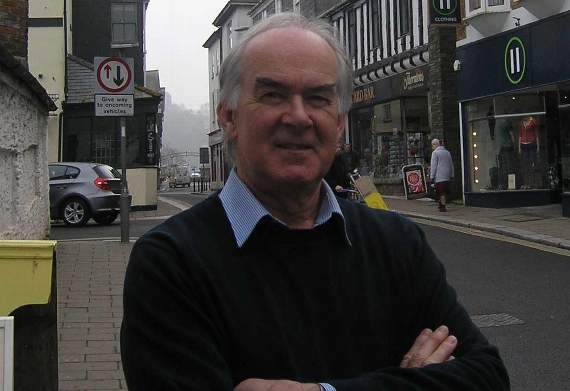
BID founder Paul Reach
Comments
This article has no comments yet. Be the first to leave a comment.