

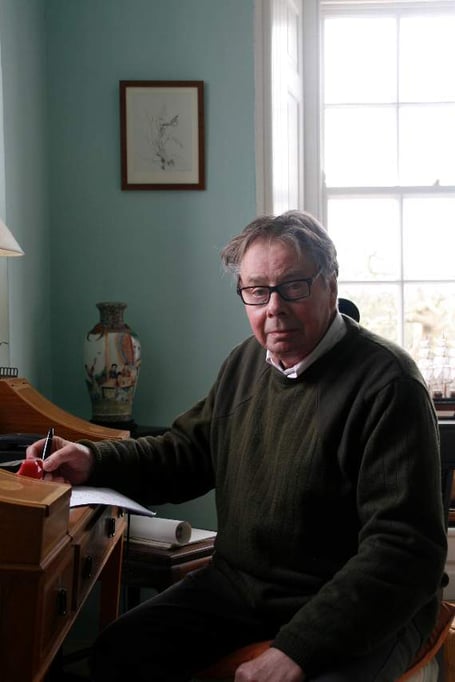
A SOUTH Pool resident is launching a charity to ‘save lives with hygiene and safer water’.
Charles Cocking is launching the HOCl Trust. The trust is based on promoting the use of HOCl – Hypochlorous Acid – to remove pathogenic bacteria from drinking water and to aid hygiene as a general disinfectant.
The World Health Organisation estimates that globally, nearly two billion people do not have access to clean, safe drinking water. Around 5,000 children under the age of five die every day due to drinking contaminated water.
At least 1.8 billion people are using a drinking water source that is contaminated with faeces and in low- and middle-income countries, 38 per cent of health care facilities lack a clean water source.



It is estimated that by 2025, half of the world’s population will be living in water-stressed areas.
The HOCl Trust intends to provide the ‘means and knowledge by which low standards of hygiene in badly affected areas can be raised’, increase the public awareness of HOCl and its uses and to provide the recipe for simple, cost effective manufacture on a domestic level, and work with existing charities and non-governmental organisations, who already operate in disaster areas and where contaminated water is a life-threatening problem.
HOCl is a naturally occurring chemical which is produced by the body’s own white blood cells to fight infection. Unique among disinfectants, HOCl is non-toxic to humans and animals yet it eradicates all bacteria such as Cholera, Typhoid, Salmonella, and ‘superbugs’ such as MRSA, C Difficile. It also kills Mycobacteria, spores, fungi and viruses.
Charles intends that the HOCl Trust will bring benefit to densely populated areas, especially after a natural disaster (Haiti earthquake) or emergency (Ebola outbreak), as well as in any areas with long term contaminated drinking water and inadequate hygiene standards.
Charles has worked commercially with HOCl for the last 22 years. All evidence he uses has been fully validated by this country’s leading medical and academic institutions – University College London Hospitals, Oxford University and many others.
The first peer review paper on HOCl was published in 1915 in the British Medical Journal as a result of trench warfare wound investigations.
In 1997 Charles was asked to go to Lima, Peru, by Dr Carlton Evans of The London School of Hygiene and Tropical Medicine whose team conducted water treatment trials for contaminated shantytown drinking water.
The ensuing private report found that ’water contaminated with 100,000,000 CFU – Colony Forming Units – bacteria per ml of Typhus, Cholera and Salmonella were rendered safe by the addition of 2 per cent HOCl.’
Due to the historic lack of a long shelf life, HOCl has not been fully commercially exploited by the pharmaceutical world. Being a naturally occurring traditional chemical, it cannot be patented.
The trust will provide training in local production of HOCl for local personnel or operatives, nominated by relevant charities or organisations.
Although HOCl is inexpensive to make – it is based on mildly acidified chlorine with a skin neutral PH – this will not be a cheap exercise as manpower and education of local staff will be required. Over time however it will become cost effective, as it will save lives and healthcare expenses.
Any person donating £10 or more to the trust will be entitled to the simple recipe for making HOCl for themselves, for their own myriad of domestic uses.
HOCl is currently widely used in over 150 NHS hospitals to sterilise equipment such as endoscopes and to eradicate Legionella and pseudomonas in their water systems as well as in many international hotels, and for instance, Wembley Stadium.
Apart from water treatment, HOCl is used to treat skin infections, broken skin injuries and venous ulcers. It is widely used in the USA supermarkets for decontaminating fresh fruit and vegetable washing and food preparation surface disinfection.
As it is non-toxic, can be used to radically reduce airborne viruses by ‘fogging’ enclosed areas without the need to remove people from the area.
The HOCl Trust received its approval from the Charities Commission in just six days, taking Charles and his team a bit by surprise – it usually takes up to 40 days – so the website: hocltrust.org is still being built, but you can find them on Facebook: HOCl Trust for Hygiene and Safer Water for All, and on Twitter: @HOClTrust.
You can also contact the charity via email: [email protected].
Comments
This article has no comments yet. Be the first to leave a comment.