
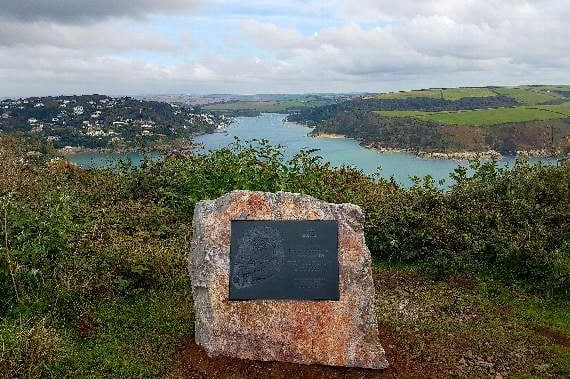
At around 5am on Friday, October 27 1916 gale force winds were battering the South Hams coast and at the lookout station at Prawle Point extra volunteers had been drafted in.
Topsail schooner the Western Lass ran aground near rocks at Langerstone Point, half a mile east of Prawle Point.
Chief Officer May - responding to a distress signal from the ship’s crew - phoned the Senior Coastguard in Salcombe to request help, then mobilised a shore rescue team.
Western Lass was fortunate to be driven onto a sandy cove, narrowly missing rocks that could tear her apart.
In the teeth of a force nine severe gale, volunteers from the East Prawle Lifesaving Apparatus Company evacuated the ship’s crew.
Because of a fault, a call from Chief Officer May failed to reach the Coastguard in Salcombe.
It meant the lifeboat William and Emma- launched just minutes before the last man on Western Lass was hauled ashore.
To reach the open sea, the lifeboat crew, clad in their oilskins and lifejackets, must first row across Salcombe Bar - a hazardous sand spit guarding the mouth of Kingsbridge Estuary.
Conditions on the Bar that day are worse than anyone can remember.
Summoning every ounce of strength, they pull the boat straight out over the surf into deeper, calmer water beyond.


As Coxswain Sam Distin steers a wide course around Prawle Point to stay clear of the treacherous surf, he caught his first glimpse of Western Lass.
Realising the schooner’s crew have already been rescued, he stood the lifeboat down.
Aware of the risks of crossing back over Salcombe Bar, the crew considered the safer option of sailing on to Dartmouth, 13 miles to the east but an enormous physical challenge for already tired limbs.
As the crew prepared to take up the oars, a huge wave rose beneath them and crashed over the lifeboat’s port side.
The boat was pitchpoled, flipping stern over bow before rolling to starboard and throwing all 15 crew members into the raging sea.
On shore, friends and family watched in horror as the disaster unfolded.
Thirteen of the crew lost their lives that day.
Miraculously, two survived: Eddie Distin and Bill Johnson were found clinging to a rocky outcrop, metres from the shore.
Dave Dancox from the RNLI says: “At this time of the year we remember those brave souls that didn't return, many of whom still have relatives in and around the area and one, James Cooper is still a member of the lifeboat crew.”
There has been criticism recently about RNLI crews transporting migrants from small boats but the organisation has a clear policy as Dave explains: “We get the shout, we don't know what we're going to generally.
“We just know that there is an incident but regardless of who it is, we are there to save lives at sea. It doesn't matter who you are, what you are or whatever. You are someone in distress and we're there to aid you.”
The RNLI need to raise £450,000 for their new Shannon-class lifeboat.
To donate visit: https://rnli.org/salcombeappeal
Comments
We've recently changed our login process. If you have an account for commenting, you will need to re-register on the login window.
This article has no comments yet. Be the first to leave a comment.