

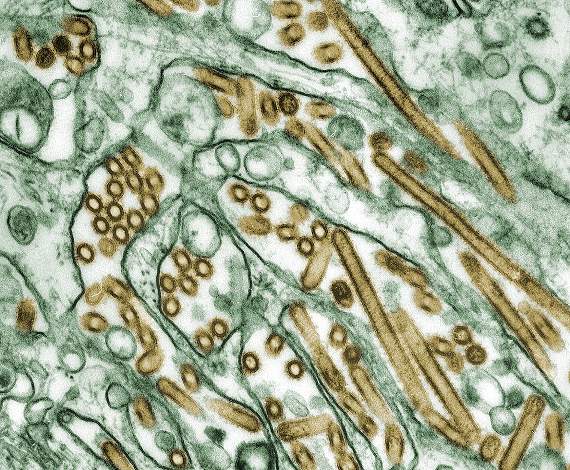
DEFRA has declared an Avian Influenza Prevention Zone covering the whole of England for 30 days.
This requires the ‘immediate and compulsory housing of domestic chickens, hens, turkeys and ducks, or where this is not practical, their complete separation from contact with wild birds.
‘For farmed geese, gamebirds and other captive birds, keepers should take practical steps to keep these birds separate from wild birds.’
Defra are also calling for poultry keepers to closely watch birds for signs of disease which includes:


• swollen head
• blue discolouration of neck and throat
• loss of appetite
• respiratory distress such as - gaping beak, coughing, sneezing, gurgling, rattling
• diarrhoea
• fewer eggs laid
• increased mortality.
The Defra website states: All bird keepers must now take extra biosecurity steps, including:
• minimising direct and indirect contact between poultry and wild birds
• making sure that feed and water can’t be accessed by wild birds
• taking all reasonable precautions to avoid the transfer of contamination between premises,
• including cleansing and disinfection of equipment, vehicles and footwear
• reducing the movement of people, vehicles or equipment to and from areas where poultry or captive birds are kept
• implementing effective vermin control programmes around buildings where poultry or captive birds are kept
• thoroughly cleansing and disinfecting housing and equipment at the end of a production cycle
keeping disinfectant at the right concentration at key points such as farm entrances and entrances to bird houses
Poultry keepers should read our detailed information about how to house their birds and keep them separate from wild birds, and about the extra biosecurity measures, which can be downloaded from the website: www.gov.uk/guidance/avian-influenza-bird-flu, which also has much more information.
The prevention zone will stay in place until January 6.
Comments
This article has no comments yet. Be the first to leave a comment.