

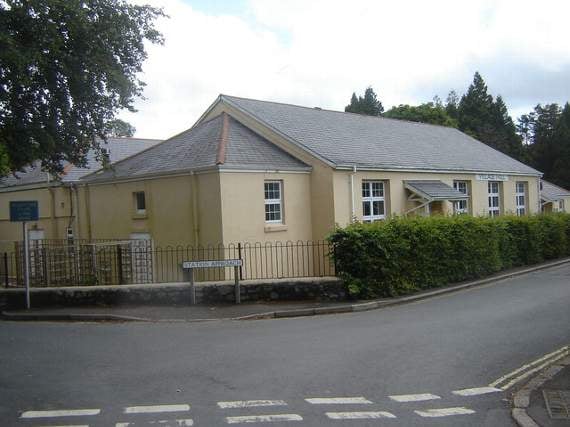
People living in South Brent and Ivybridge may be about to lose the chance to give blood locally, as the NHS says demand is falling and it needs more ethnically diverse donors.
Despite relentlessly campaigning to recruit more donors nationwide, NHS Blood and Transplant says the amount of blood required by hospitals is actually falling by three to four per cent every year.
The body said it is reviewing the number of donation sessions, with a view to collecting more blood at larger and more accessible venues.
The regular sessions at South Brent Village Hall and Ivybridge Rugby Club are two that are under the spotlight.

South Brent Parish Council chairman Cllr Cathie Pannell told a meeting of the full council this week her daughter had received a letter telling her the village hall sessions were to cease. Cllr Pannell felt this was "not the best idea you’ve ever heard" and called it "a very retrograde step".
But NHSBT said no decision had yet been made, and there were "a lot of complexities" involved in collecting the right type and amount of blood at the right time. It is writing to local blood donors to let them know about potential closures of some sessions, and will invite them to donate at an alternative venue - although it appreciates some donors may not be able to travel.
NHSBT stressed a key concern was that "precious resources" were not wasted. But another factor was a need for more black and south Asian people to become blood donors, to reflect the ethnic diversity of patients.
Director of blood donation at NHSBT Mike Stredder said: “We are very grateful to all those who give up their time to donate blood. Their generosity helps save and improve the lives of patients across the country.
“Hospital blood use is declining by 3-4 per cent a year and this means that sometimes we need to consider reducing the amount of blood donation sessions that we hold. It’s important that we do not waste precious donations by collecting too much blood.
“While hospitals are using less blood that in previous years, we still need to collect 1.5m units of blood a year. We look forward to seeing our loyal donors at their next donation.”
A spokesman for NHSBT added: "We are reviewing some of our blood donor sessions in Devon and Cornwall, and Ivybridge and South Brent are places we are looking at for possible closures of sessions there, as well as other areas.
"The reason we are looking at these types of sessions is that currently they are smaller six-chair sessions that can only accommodate a limited number of donors and therefore, we cannot collect blood as efficiently as we can in our nine-chair sessions.
"The decline in blood use is a global trend. This is due to improvements in clinical practice and improved surgical procedures, such as keyhole surgery.
"While we still need to collect around 6,000 donations a day to meet the needs of hospital patients, and we still need nearly 200,000 new donors a year, we don’t want to waste precious donations by collecting more blood than patients need.
"Any changes will not affect our ability to supply blood to local hospitals, so patients will still receive the blood they need. It will mean we can be more targeted in what blood types and volumes we collect based on patient need.
"We need to make sure we have not only the right amount of blood, but it needs to be the right blood mix to help meet the needs of all patients who need life-saving treatment, especially those with conditions like sickle cell disease who require blood which is more closely matched than by group alone.
"When we make changes, we will continue to run our awareness campaigns because we must attract new donors to secure the donor base of the future and to ensure we have the right mix of blood groups. Every year thousands of donors can no longer continue to donate for reasons such as illness, pregnancy, and foreign travel.
"We need 200,000 new blood donors each year to replace those donors no longer able to donate.
"We greatly value the generosity and commitment shown by our donors. We appreciate that if we do make any changes to sessions that it may be too difficult for many people in rural areas to travel to an alternative session and we thank them for the lives they have already saved."
Comments
This article has no comments yet. Be the first to leave a comment.