

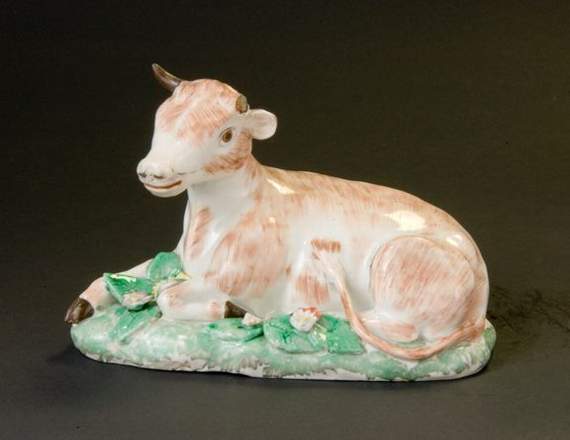
More than 100 items of Plymouth porcelain from the collections of Plymouth City Museum and Art Gallery will be on display in a new exhibition at the Cookworthy Museum, Kingsbridge when it re-opens for the 2017 season on Monday 27 March.
‘William Cookworthy: Pioneer of Porcelain’ will also feature key highlights from Kingsbridge’s collections.
This brand new exhibition has been developed by the Cookworthy Museum in partnership with Plymouth City Museum and Art Gallery, which is currently closed for the major redevelopment of the Plymouth History Centre.
The exhibition aims to tell the story of the man behind the porcelain legend. It will remain on display until Saturday, October 28 and can then be viewed again in 2018.




Kingsbridge-born Cookworthy (1705-1780) was the son of a Quaker weaver who became a chemist’s apprentice in London after the death of his father. He returned to the south-west in 1726, working in and then owning a pharmacy in Plymouth.
A man of many interests and business ventures, he became fascinated by the search for China Clay, eventually discovering it at Tregonning Hill, Cornwall in 1748. He would go on to explore and master the difficult process of using it to manufacture the UK’s first true hard paste porcelain, and set up the first factory in England to make it.
2017 is the 250th anniversary of the first firing. 2018 will mark 250 years since his Plymouth porcelain factory was established. The exhibition will highlight Cookworthy’s links with the local area and showcase a range of objects from the factory, from early experimental pieces to later, larger and more decorative items.
Holly Trubshawe, curatorial assistant at the Cookworthy Museum, said: “It’s really exciting to be working with this wonderful collection of porcelain, and so valuable to have the experience of collaborating with a larger organisation in Plymouth City Museum. William Cookworthy is historically under-rated, and it’s very fitting to tell the story of this remarkable man more widely in his native town”.
Louisa Blight, collections manager from Plymouth City Council’s arts and heritage service said: “We’re loaning a number of objects from our collections to other venues while our building is closed and it’s giving us a great opportunity to work in partnership with a range of organisations. It’s been great to collaborate with the Cookworthy Museum on this exhibition, and support them in commemorating the life and achievements of a man who will always be an important part of the history of both Kingsbridge and Plymouth.”
Plymouth City Museum and Art Gallery’s Plymouth porcelain collection is the largest public collection of its kind from Cookworthy’s factory, which ran from 1768-1770. It includes more than 480 pieces of domestic wares and ornaments ranging from cups, jugs and bowls to animals and figurines.
The Cookworthy Museum has its own small collection of Plymouth and Bristol porcelain as part of its extensive local and social history collections. The porcelain was mostly acquired through the generosity of English China Clays when the company purchased and helped set up the museum in the early 1970s. The connection with Cookworthy and china clay was the original reason for ECC’s involvement, and for the museum’s name.
‘William Cookworthy: Pioneer of Porcelain’ will be on display from Monday, March 27 to Saturday, October 28 at the Cookworthy Museum, Kingsbridge. The museum is open Monday to Saturday, 10.30am until 5pm until the end of September, and Monday to Saturday, 10.30am until 4pm during October (last admission is half an hour before closing).
For more information visit www.kingsbridgemuseum.org.uk or call 01548 853235.
Comments
This article has no comments yet. Be the first to leave a comment.