

IN January, there will be poignant centenary commemorations of the great storm that destroyed Hallsands.
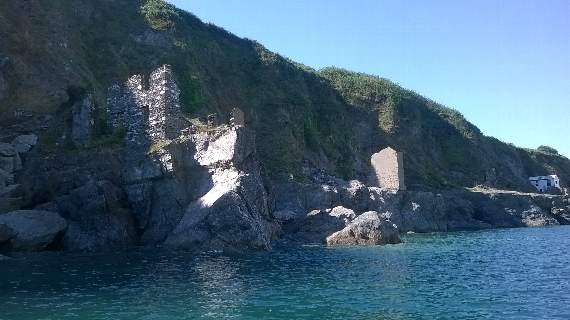
The old village of Hallsands stood beneath the cliffs, just over a mile north of Start Point, but in intense storms almost one hundred years ago, most of the village was destroyed.
Little is left of the old village - two buildings, used as holiday homes stand precariously perched on a rock platform a few metres above the sea, otherwise only ruins of what was once a thriving fishing village remain.
On Monday, January 29, 1917 the head teacher of Huckham School - the village’s school, still standing today about a mile and a half from Hallsands - made this entry in the school log book: ‘Only 23 children present this morning. Many absent through the rough sea at Hallsands destroying the very old houses at Hallsands. Some of the people losing furniture, clothing etc. The roofs and parts of the houses being washed away. Some parts of the roads the children have to travel are covered with water and are impassable.’



The storm had been at its height on the night of Friday, January 26, 1917 when a high spring tide driven by a fierce gale overwhelmed and destroyed much of Hallsands. Extraordinarily there were no fatalities, but it was the end for the village. Residents dispersed with their remaining possessions to find shelter wherever they could, many of them settling in the neighbouring village of Beesands further up the coast.
For several years before the disaster, contractors for Sir John Jackson, Tory MP and war profiteer, had been dredging shingle from the bay to build new docks in Plymouth. Villagers recognised the danger of lowering the skerries bank that protected the south end of Start Bay and they protested vigorously, but the authorities refused to stop the dredgers. Following the disaster villagers and their representatives fought for years to gain compensation, but although promises of payment were made, none were honoured.
In January 2017, descendants of those who lost their homes will mark the centenary of the storm with a series of events including the unveiling of a commemorative plaque, an exhibition of pictures of the old village, a torchlight procession and a church service followed by a crab supper.
Tim Lynn lives in North Hallsands where he operates a fishing boat and represents the village on Stokenham Parish council. His forbears lived in Hallsands at the time of the storm.
Tim said: ‘We believe that it is important to mark this centenary especially as history seems to be repeating itself. Recently storms have severely damaged our sea defences. Although a road has been destroyed and houses are at risk the authorities refuse to do anything. They betrayed Hallsands then and they are betraying us now.’
Jonathan Hale, whose great, great uncle was landlord of the London Inn in the old village said: ‘January is perhaps not the best time of year to commemorate an anniversary, but winter is when storms happen. Nevertheless we are keen to pay tribute to our forebears with a torchlight procession along the route they took to safety.’
The organisers of the commemoration are today making an appeal for anyone who has documents, pictures or artefacts relating to the old village to contact David Marcer with a view to putting them on display as part of the commemoration.
David can be contacted on 01548 511171 or [email protected].
Comments
This article has no comments yet. Be the first to leave a comment.